Mental health support that understands your members | Part II | Building stronger foundations: Peer support for construction
In Part II we explore how isolation, stigma, and a tough-it-out culture keep many construction professionals from getting the mental health support they need. Here's what leaders in the field told us and why an anonymous, clinically moderated peer support community could become the industry's safety net.
Construction builds everything but its own safety net
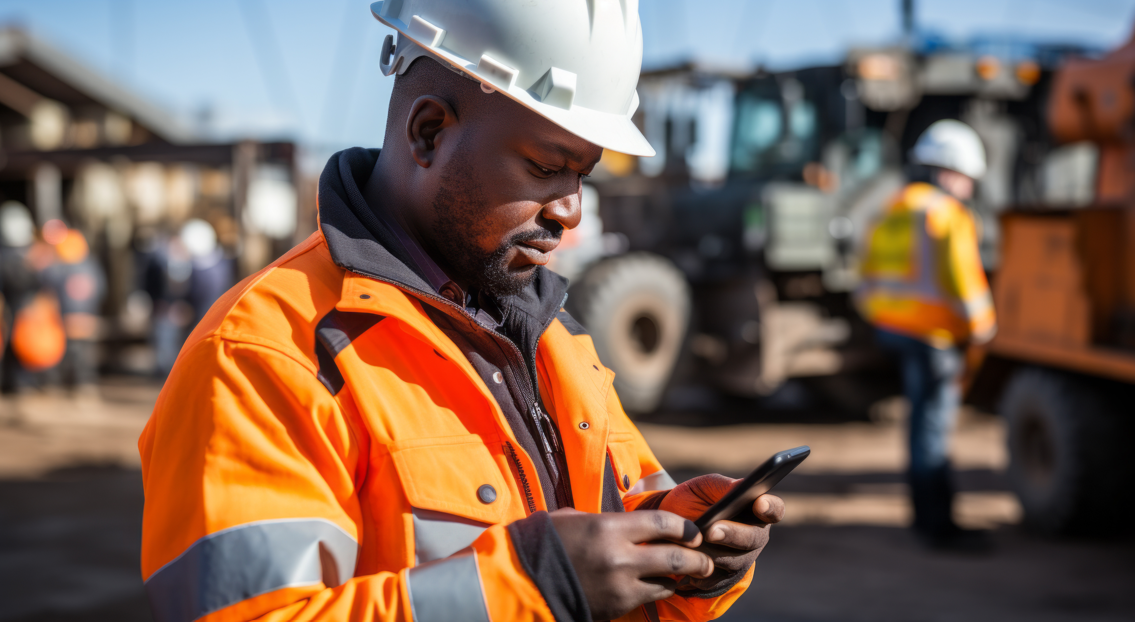
Construction workers are trained to spot hazards on site. The ones that are harder to see, like loneliness, stress, and burnout, often go unspoken. A culture that prizes toughness teaches people to “suck it up”, while early starts, long commutes, and out-of-town jobs pull workers away from the families who might notice something is wrong.
The cost shows up in turnover, absenteeism, self-medicating, addiction, and in withdrawal that ripples through crews and households. At its worst, isolation can contribute to suicide.
So how does an industry that takes care of everything else start taking care of its people?
What we heard
Togetherall brought together 25 construction and mental health leaders for a roundtable on digital peer support, exploring a variety of mental health challenges experienced on the job and whether traditional support reaches workers.
Their verdict: it often doesn’t. People of color including Latino/Latina, people who identify as LGBTQ+, veterans, and retirees are frequently missed by conventional resources. Rural crews may live hours from a counselor, and a tough-it-out culture makes asking for help feel uncomfortable.
Two themes kept coming up: only people in construction truly understand its pressures, and the industry wants to “take care of our own.” Togetherall sees the same pattern across member-based organizations, where shared pressures create bonds outsiders rarely understand. Both themes point to peer support as being beneficial.
Why anonymous, digital peer support fits construction
Togetherall is an anonymous online community where people share what’s on their minds and connect with others facing similar challenges, from stress and anxiety to addiction and isolation.
Anonymity lowers the barrier. Members never reveal who they are, and can post, reply, or simply read before joining in. Construction and mental health leaders called it one of the smallest and easiest possible first steps toward help.
The farming industry offers a telling parallel. Like construction, it’s physically demanding, dangerous work, and reports high rates of suicide and suicidal ideation. U.S. farmers are 3.5 times more likely to die by suicide than people in any other profession. Rural farming communities – where everyone knows everyone, self-sufficiency is a point of pride, and traditional care is hard to reach – look a lot like many construction crews. That’s why, when the American Farm Bureau Federation vetted digital options for its 5.5 million member households, anonymity wasn’t a nice-to-have. It was a prerequisite.
It’s there when the shift ends. Togetherall is accessible 24/7/365, and most activity happens outside typical office hours: 55% across all the sectors we serve, and 70% among member-based association.
It’s easy to access and reaches people traditional methods miss. A worker on a remote site, a veteran, or someone who feels like the only one of their kind on the crew can find peers who get it, anywhere and anytime.
Safety is built in. Licensed clinicians, including counselors, social workers, and mental health nurses, moderate the community 24/7/365 and step in when someone is at risk. Leaders in the construction industry saw this clinical oversight as a key source of trust, and it’s why our partners chose Togetherall.
Building a stronger safety net together
Every roundtable participant who weighed in agreed that a tool like Togetherall could be construction’s safety net. The group also named the work still ahead, such as encouraging seasoned workers to go digital and coordinating with existing health and safety funds.
When workers know there’s a place where they can connect with people who understand the job, the culture of silence starts to crack. This can potentially mean saving lives.
To learn how Togetherall can support your construction community, contact Nicole Misura at nicole.misura@togetherall.com or book a demo.
Read Part 1 in the blog series: The power of peer support in member associations
About Togetherall
Established in 2007, Togetherall is available to more than 20 million individuals worldwide. Togetherall is the leading clinically managed, peer-to-peer, online support community where members can share what’s on their minds, anonymously, safely, and in-the-moment, 24/7/365. Members can connect through shared lived experiences with a global network of peers, backed by the safeguarding of licensed clinicians overseeing the community around-the-clock. These clinicians empower individuals in peer support and foster and maintain a safe, vibrant environment.
Togetherall is the only peer-to-peer support platform regulated by the MHRA under the Software as a Medical Device (SaMD) framework, reflecting the strong clinical governance, 24/7 moderation, and transparent risk oversight the platform has always upheld.
If you are interested in offering safe and scalable ways to support your people’s mental health, contact us to book a demo and learn more about Togetherall’s online community.