World Mental Health Day 2026: Why lived experience matters
This World Mental Health Day, we explore why being heard by someone who's been there matters, and what the evidence says about peer support.
Real voices, real change
This year’s World Mental Health Day theme is “Lived Experiences Heard: Real Voices, Real Change.” Set by the World Federation for Mental Health, it’s a reminder that progress in mental health can simply be listening and connecting with people who’ve lived it.
If you support students, members, employees or patients, it raises a timely question: how do the people you support get heard? Peer support is one of the most direct answers. It’s built on people sharing their own experiences to help each other feel less alone.
Why being heard by someone who’s been there helps
Being heard by someone who’s been through something similar can mean more than any advice. They understand without needing it explained.
That sense of being understood helps people feel less alone. It can also make it easier to open up, find ways to cope, and reach out for further help when they need it.
Not everyone feels able to talk to the people closest to them, though. Some worry about being judged or about others finding out, which is why anonymity matters so much. It’s the number one reason people give for joining Togetherall.
What the evidence shows
There’s also evidence that peer support does more than comfort people.
In a breakthrough study, Lyssn, an independent evaluator of mental health services, examined 5.7 million messages from nearly 50,000 Togetherall members. It found that our peer support community uses many of the same therapeutic ingredients found in traditional mental health services, including active listening, affirmations and reflection.
So when people share their experiences to support each other, many are naturally doing the same things therapists are trained to do.
Why a safe space matters
People only share when they feel safe. And when you’re responsible for their wellbeing, you need to know that space is safe too.
Togetherall is moderated 24/7 by licensed clinicians. Real-time risk detection helps them spot when someone might be struggling, and clear escalation pathways connect people to further care when they need it. That means people can share openly, knowing support is there if things get harder.
Giving more people a place to be heard
Today, we’re thinking of everyone in our community who’s shared their story to help someone else. Their voices are what make peer support work.
Many of the people you support may never reach out through traditional services. In fact, 63% of Togetherall members aren’t using any other form of professional support. Peer support gives them a safe place to be heard, any time of day or night, alongside the services you already offer.
About Togetherall
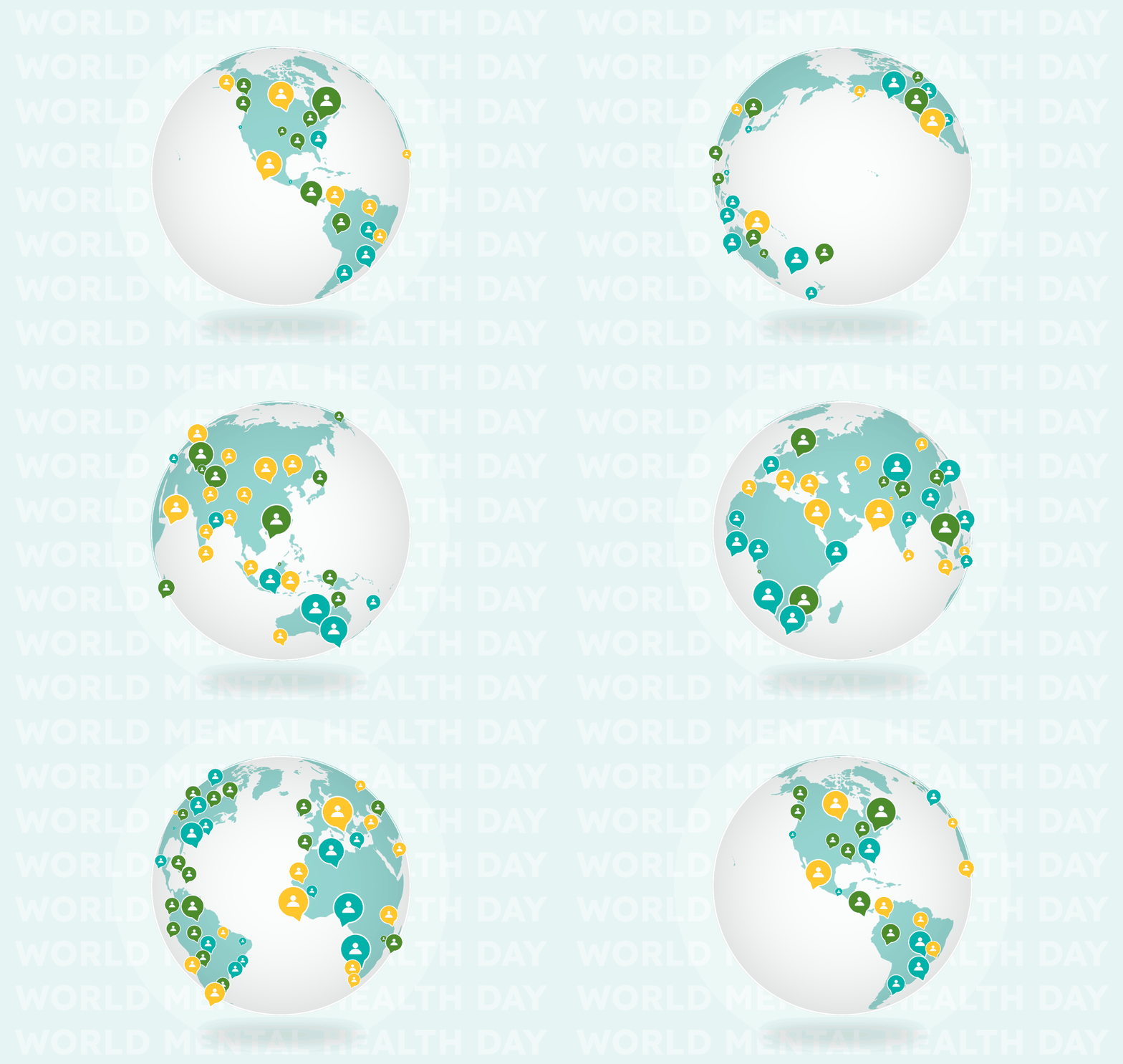
Established in 2007, Togetherall is available to more than 20 million individuals worldwide. Togetherall is the leading clinically managed, peer-to-peer, online support community where members can share what’s on their minds, anonymously, safely, and in-the-moment, 24/7/365. Members can connect through shared lived experiences with a global network of peers, backed by the safeguarding of licensed clinicians overseeing the community around-the-clock. These clinicians empower individuals in peer support and foster and maintain a safe, vibrant environment.
Togetherall is the only peer-to-peer support platform regulated by the MHRA under the Software as a Medical Device (SaMD) framework, reflecting the strong clinical governance, 24/7 moderation, and transparent risk oversight the platform has always upheld.
If you are interested in offering safe and scalable ways to support mental health, contact us to find out more about Togetherall’s online community.